
The Allure of Risk and Reward
The psychology behind gambling is deeply intertwined with the human attraction to risk-taking and the anticipation of reward. This allure can be largely attributed to the release of dopamine, a neurotransmitter that plays a significant role in feelings of pleasure and satisfaction. Each spin of a slot machine or turn of a card can lead to elevated excitement levels, creating a thrilling experience that many find irresistible, especially when utilizing platforms like Best Odds that enhance the overall gaming experience. This heightened emotional state often drives individuals to engage in gambling behaviors as they seek that euphoric rush, which can sometimes eclipse rational thought regarding potential losses.
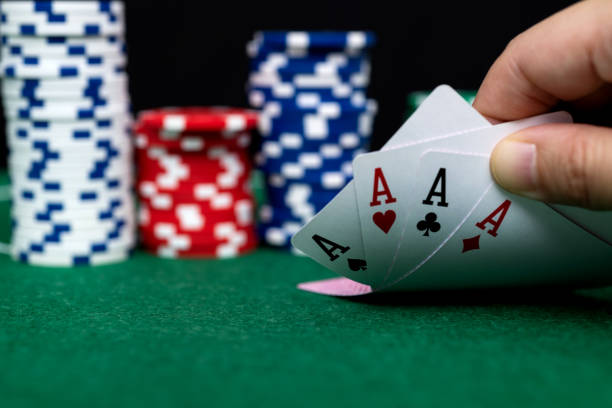
Moreover, the concept of variable rewards significantly influences gambling habits. Unlike traditional forms of entertainment where outcomes are predictable, gambling thrives on uncertainty, which can lead to more intense emotional experiences. The intermittent wins, regardless of their size, can create a cycle of optimism and hope. Players may return to the casino, driven by the possibility of a substantial win that could alter their fortunes, reinforcing their gambling behavior and carving a path toward habitual engagement.
Social factors also enhance the allure of gambling. Casinos are meticulously designed to cultivate an engaging social atmosphere, often featuring bars, restaurants, and live entertainment. Many individuals visit these venues not solely for gambling but also for the social interaction and vibrant environment they provide. This combination of excitement, social connectivity, and the potential for financial gain forms a compelling backdrop that can foster habitual gambling behaviors, making it an appealing choice for those seeking both thrill and camaraderie.
The Role of Cognitive Biases
Cognitive biases play a significant role in shaping gambling behaviors and can lead individuals to make irrational decisions driven by hope and expectation. One common bias is the “gambler’s fallacy,” where players believe that past events influence future outcomes. For instance, a player might think that a slot machine is “due” for a payout after a series of losses, leading to increased bets based on this flawed reasoning. This misconception not only affects individual decisions but can also escalate losses, as players continue to chase an elusive win.
Additionally, confirmation bias reinforces existing beliefs about luck and skill in gambling. Winning players often attribute their success to personal skill or intuition, while losses are typically blamed on bad luck or external factors. This dichotomy creates a false sense of control over gambling outcomes, encouraging continued participation despite evidence of negative results. Acknowledging these cognitive biases is crucial for understanding how they distort judgment and lead to patterns of problematic gambling behavior over time.
The influence of cognitive biases extends beyond individual experiences, impacting the broader culture surrounding gambling. Marketing strategies within casinos frequently exploit these psychological tendencies, promoting games as opportunities for strategic thinking or highlighting rare wins to entice potential participants. This manipulation of psychological principles underscores the importance of awareness regarding cognitive biases and their significant influence on gambling habits, allowing individuals to make more informed decisions.
Addiction and Behavioral Patterns
Gambling addiction is a complex psychological issue that affects individuals significantly, characterized by an inability to control gambling despite adverse consequences. The behavioral patterns associated with gambling addiction can vary widely but often resemble those found in other forms of addiction, such as substance abuse. Many individuals develop a gambling addiction that prioritizes gaming activities over personal relationships, financial stability, and daily responsibilities, resulting in severe negative impacts on their lives.
The progression of gambling addiction typically follows identifiable stages. Initially, it may begin as recreational gambling, which can rapidly escalate into more frequent and larger bets as individuals seek heightened thrills. This transition from casual gambling to addiction can be subtle, as players often deny the extent of their behavior’s impact on their lives. Emotional and psychological factors, such as stress or underlying mental health issues, can exacerbate this cycle, compelling individuals to seek refuge in gambling as a coping mechanism.
Addressing gambling addiction often necessitates a multi-faceted approach involving counseling, support groups, and, in some cases, medication. The journey toward recovery can be challenging due to the stigma surrounding gambling addiction, which makes it essential for individuals to seek help and support from their communities. Understanding the psychological elements contributing to gambling addiction is vital for both those struggling with the issue and their loved ones, providing a foundation for effective support systems and interventions.
The Influence of Environment and Design
The design and environment of casinos play a pivotal role in influencing gambling behavior. From the moment individuals step inside, they are met with captivating sights, sounds, and smells that stimulate their senses and create an immersive experience. The bright lights, vibrant colors, and engaging sounds from machines are strategically designed to enhance excitement and encourage prolonged engagement. This sensory overload can distort a player’s perception of time and reality, leading them to lose track of how long they have been gambling.
Furthermore, the arrangement of games within a casino is meticulously planned to drive heavy foot traffic and foster a culture of gambling. High-stakes tables are often positioned near popular attractions, creating an electrifying buzz that entices both casual and serious gamblers alike. The absence of windows and clocks in many casinos also contributes to a disconnection from the outside world, compelling players to immerse themselves in the gaming experience, often to the detriment of their awareness of time.
To further encourage gambling, casinos often employ psychological techniques such as complimentary drinks and loyalty programs. These incentives create a sense of value and belonging, fostering loyalty among players and potentially leading to increased spending. By understanding how environmental factors impact gambling habits, individuals can become more aware of these influences and make informed choices about their gambling behaviors, ultimately promoting a healthier relationship with gaming.
Finding Balance in Gambling
Understanding the psychology behind gambling habits is crucial for those who wish to enjoy gambling in moderation without succumbing to the pitfalls of addiction. Establishing clear boundaries and setting limits on both time and spending can significantly reduce the risks associated with gambling. Players need to engage in self-reflection to recognize their motivations for gambling, helping them maintain control and ensuring that their gaming experiences remain enjoyable rather than detrimental.
Encouraging open dialogues about gambling within personal relationships can also help individuals stay accountable for their behavior. Support from friends and family can create a safety net, fostering responsible gambling habits and establishing an environment where individuals feel comfortable discussing their experiences without fear of judgment. It is also essential to be aware of problem gambling resources and helplines for those who may need assistance in navigating their gambling habits.
Ultimately, maintaining a balanced approach to gambling requires a profound understanding of the psychological factors at play. By recognizing the influences of risk, cognitive biases, and environmental design, individuals can cultivate healthier gambling habits that prioritize enjoyment while mitigating the risk of addiction. For those seeking more information, many educational resources are available to guide responsible gambling practices effectively, helping individuals maintain a healthy relationship with gambling.

